On this page
How to compare buy quotes across dealers
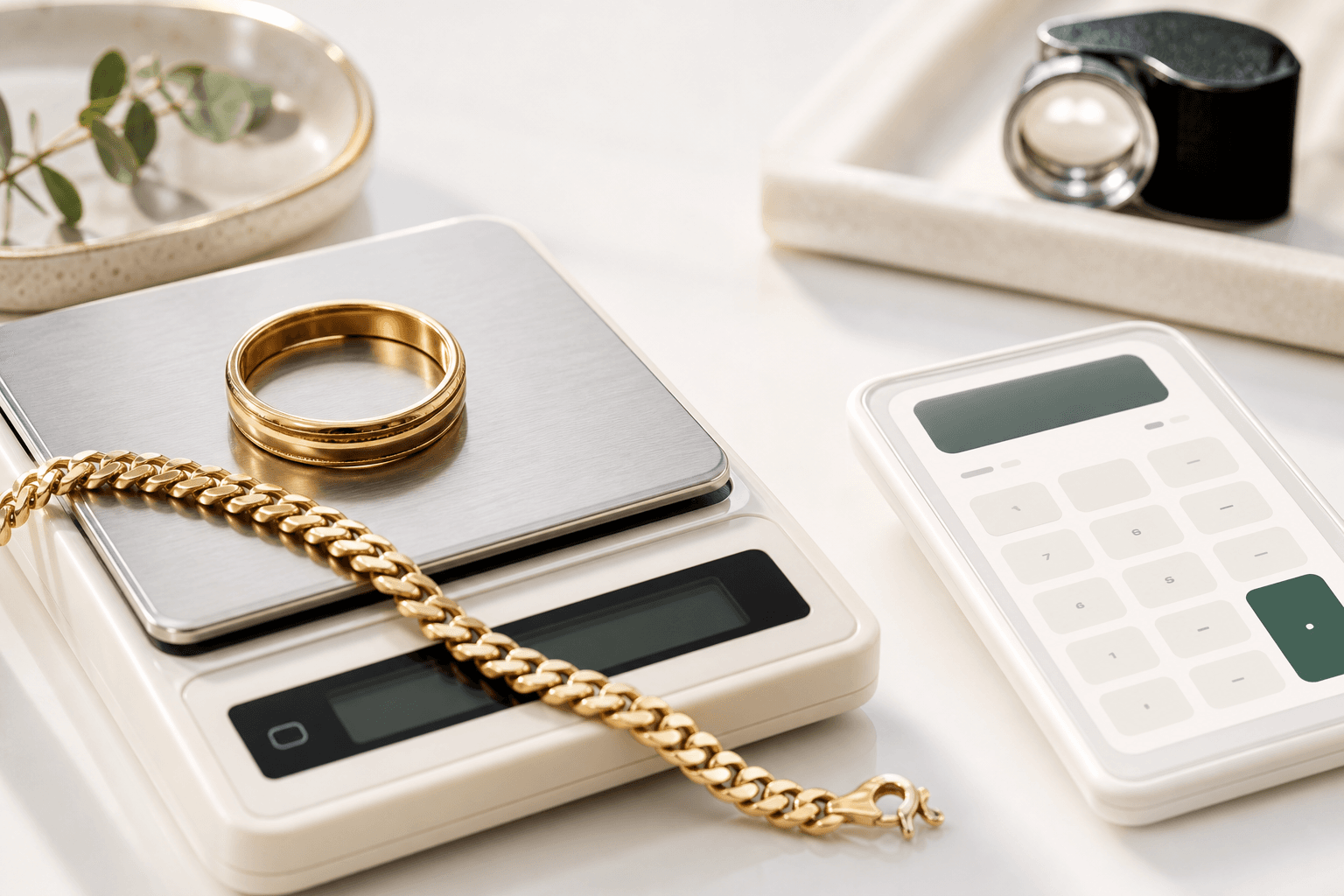
Always compare against today's spot, not last week's. Spot prices move minute-by-minute — Kitco, Gold API, and other public feeds give live numbers. Ask each dealer: (1) what spot are you using right now? (2) what is your premium in dollars or percent over spot? (3) what's the exact product (coin type, refinery, weight, purity)? With those three answers you can compare apples to apples. A 1oz Gold Eagle quoted at $2,520 means more or less depending on whether spot is currently $2,400 (5% premium — fair) or $2,460 (2.4% premium — exceptional).
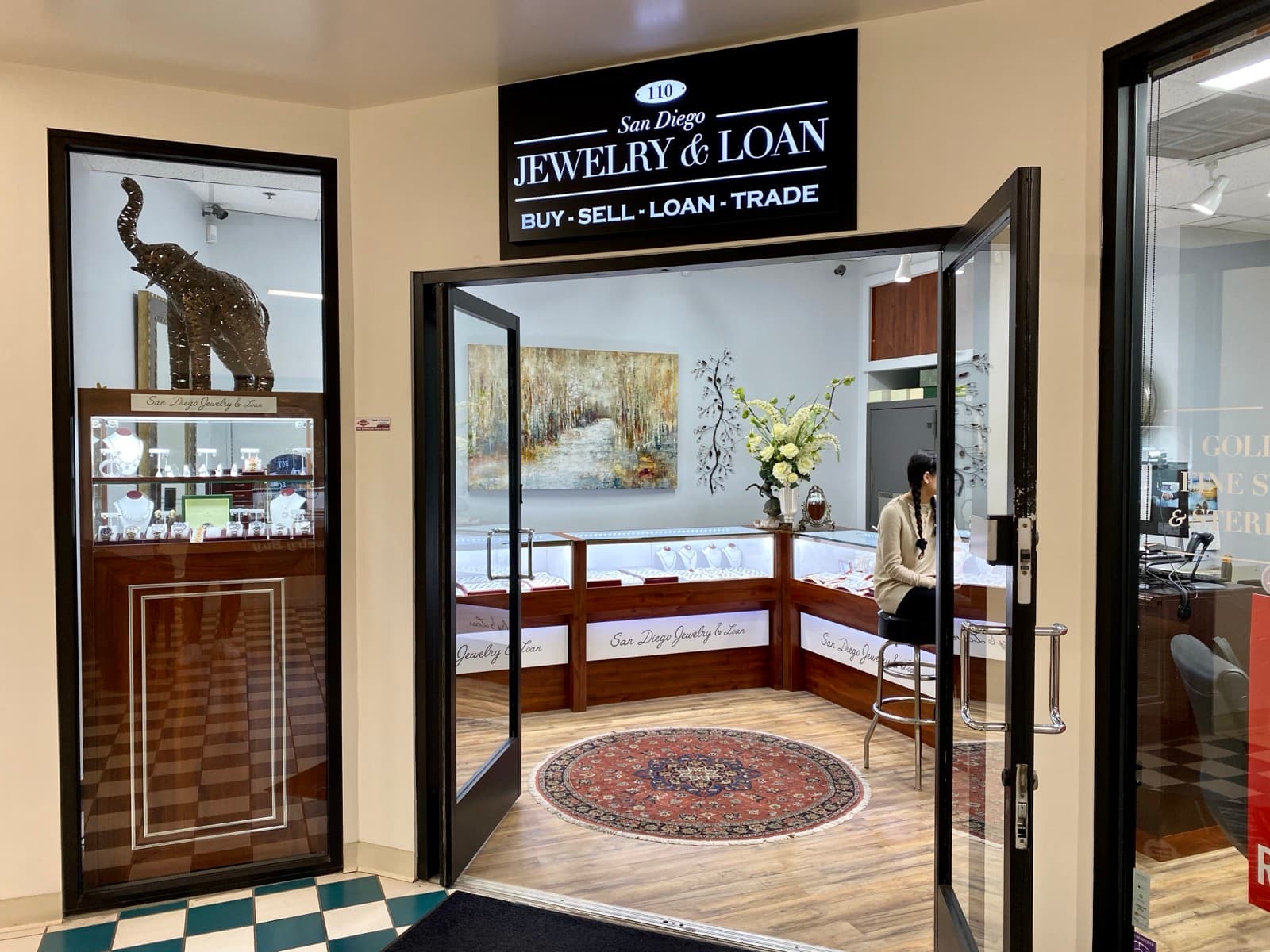
How buying gold works at our Gaslamp Quarter counter
We pull today's gold spot live and show it to you before we name a price. Then we name the premium for the specific product you're asking about — different for an American Eagle vs a PAMP Suisse bar vs a Krugerrand. No 'house rate,' no mystery markup. Inventory is inquiry-led — text or call ahead and we'll tell you what we have on hand and at what premium today. Bullion buying transactions usually take 10–15 minutes from greeting to paperwork.
Where to Buy Gold in San Diego Without Guessing the Premium FAQ
Why do small bars cost more per gram than big bars?
Minting cost is a larger percentage of total value on small bars. A 1g bar costs roughly the same to mint as a 100g bar — but the gold content is 100× different. That fixed minting cost gets spread over fewer grams, so premium per gram is much higher on small bars. If you're buying for investment, larger bars are more efficient per dollar; small bars are useful for gifting or fractional liquidity.
Is buying gold the same as buying jewelry?
No. Jewelry has design, labor, stones, brand markup, and retail margin — the gold content is often a fraction of the retail price. Physical bullion products are priced almost entirely on metal content + minting premium + dealer margin. Buying jewelry for investment usually doesn't work; buying bullion for investment usually does.
Does Buy Sell Gold San Diego publish live inventory online?
Not yet — inventory is inquiry-led. Call or text the shop to ask what coins, bullion, casting grain, or secondary lots we have on hand and at what premium today. We move metal regularly and an online inventory page would be wrong within hours.
What's a fair premium on a 1oz American Gold Eagle?
Typically 4–8% over today's spot price. Below 4% is exceptionally tight (often a promotional buy or sale). Above 10% is high. The exact percentage depends on overall market demand for Eagles — premiums widen during periods of high demand (election cycles, market crises) and compress when demand is calm.
Should I buy from a mail-order dealer or a local counter?
Both have trade-offs. Mail-order has slightly tighter premiums on bulk orders but ships your gold through the postal system (insurance, tracking, delivery risk) and limits your ability to inspect before purchase. Local counters let you verify weight, purity, and authenticity in person before money changes hands — for many buyers that's worth the slightly higher premium.